Training Led by the Staff Professional Development Committee at UTAS Shinas
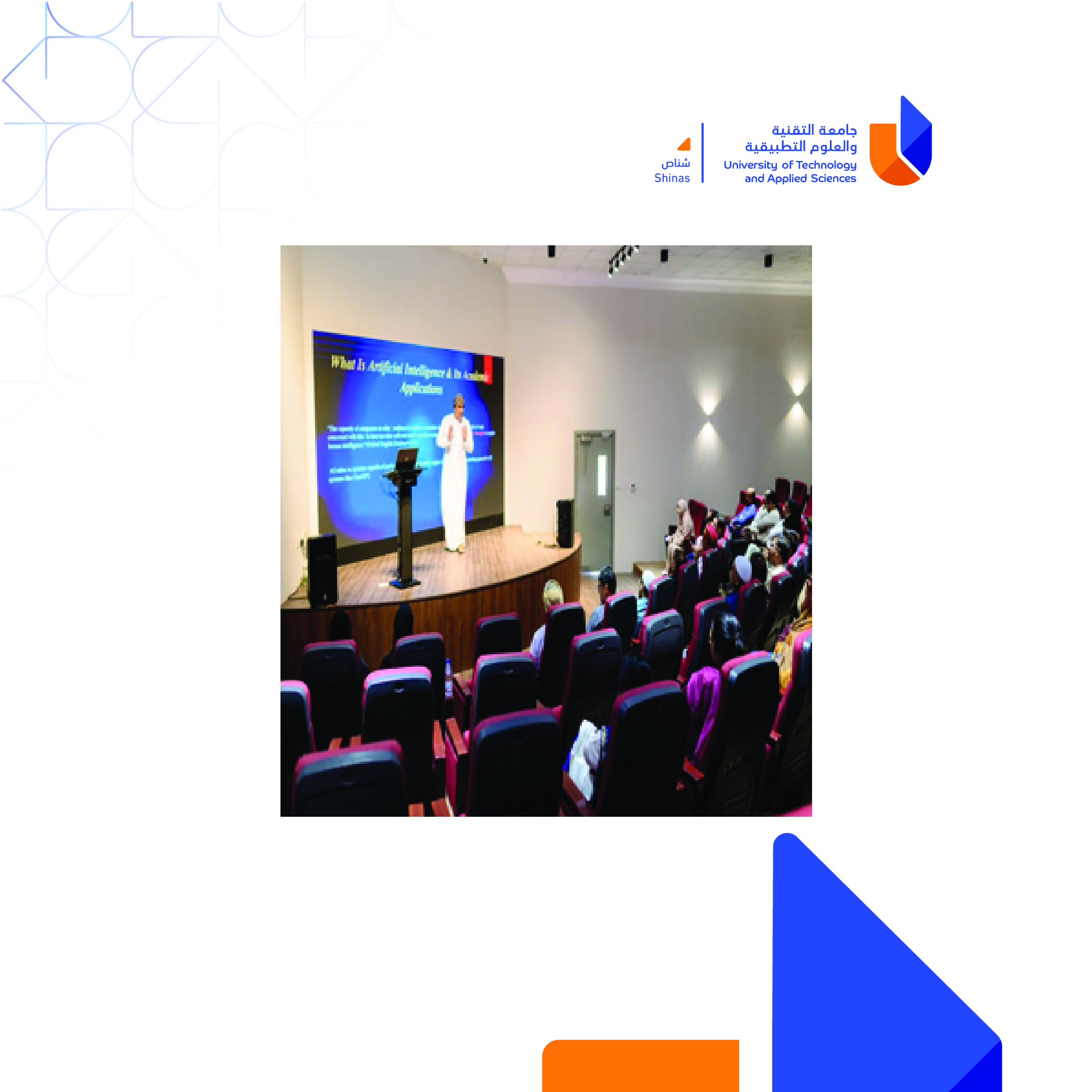
The Staff Professional Development Committee (SPDC) at UTAS Shinas successfully conducted a professional development session titled “Academic Integrity” on 9th September 2025 from 11:00 AM to 2:00 PM at the Theatre Room, UTAS Shinas. The in-person session brought together 35 academic staff members from all departments, reaffirming the university’s commitment to fostering ethical academic practices and strengthening institutional values.
Organized by the SPDC under the coordination of Dr. Nithya Sambamoorthy, with committee members Dr. Mohamed Zaheeruddin, Dr. Khudaija Sultana, and Dr. Minu Thomas, the training aimed to deepen faculty understanding of academic integrity, provide practical strategies to prevent academic misconduct, and reinforce the importance of modeling fairness and professionalism in all academic responsibilities.
The session began with introductory remarks highlighting the increasing global significance of academic integrity in higher education. Dr. Mohammed Al Balushi, the first speaker, delivered an in-depth presentation on the foundations of academic integrity. He emphasized its crucial role in maintaining the credibility of academic institutions and discussed potential risks such as plagiarism, data falsification, and unethical collaboration. He also stressed that academic integrity applies equally to students, faculty, and researchers.
Following this, Mr. Noorul Hassan led a practical and engaging discussion on implementing integrity-centered teaching practices. He demonstrated how structured assessments, transparent evaluation methods, and effective use of plagiarism detection tools can help minimize academic misconduct. He further highlighted the faculty’s responsibility as ethical role models who set the standard for student behavior.
Throughout the session, participants actively engaged in discussions, sharing real-world challenges encountered in upholding academic integrity. Special attention was given to emerging issues related to digital technology and artificial intelligence, with both speakers offering guidance on maintaining originality and ethical standards in an evolving academic landscape.
Outcomes of the Training
The Academic Integrity session achieved significant positive outcomes:
• Enhanced Understanding: Faculty gained a clear and comprehensive understanding of the importance of academic integrity in ensuring institutional credibility.
• Practical Insights: Participants learned techniques to promote originality and reduce dishonesty through structured assessments and clear academic guidelines.
• Collaborative Engagement: The interactive format enabled faculty to exchange experiences and develop practical solutions for maintaining ethical standards in teaching and research.
Conclusion
The training session served as an essential initiative in strengthening the academic culture at UTAS Shinas. It aligned with the university’s mission to nurture graduates who embody strong ethical and professional values. The SPDC, through the leadership of Dr. Zaheeruddin and Dr. Khudaija and with the expertise of the distinguished speakers, reaffirmed its dedication to providing impactful professional development opportunities for faculty.
The session concluded with a shared understanding that academic integrity is a collective responsibility—one that requires continuous effort, role modeling, and commitment from all members of the academic community.
399