Workshop Report Static Panel Analysis using STATA
Date: 14 April 2026
Time: 2:00 PM – 3:00 PM
Venue: BS 133
Number of Participants: 31
Resource Persons:
· Dr. Shakeb Akhtar
· Mr. Nawaz Khan
A workshop on Static Panel Analysis using STATA was successfully conducted on 14 April 2026 in BS 133 from 2:00 PM to 3:00 PM. The session witnessed the active participation of 31 attendees, making it an engaging and productive academic event. The workshop was facilitated by Dr. Shakeb Akhtar and Mr. Nawaz Khan, who brought both theoretical expertise and practical insights to the session.
The primary objective of the workshop was to introduce participants to the fundamentals of panel data analysis and to provide hands-on exposure to the use of STATA software. The session aimed to enhance participants’ understanding of key econometric techniques such as fixed effects and random effects models, while also developing their ability to interpret empirical results in research contexts.
The workshop commenced with an introductory note by Dr. Shakeb Akhtar, who highlighted the growing importance of panel data in academic research and policy analysis. He elaborated on the theoretical underpinnings of panel data econometrics, emphasizing its advantages over cross-sectional and time-series approaches. Key concepts such as heterogeneity, model specification, and interpretation of results were explained in a clear and structured manner.
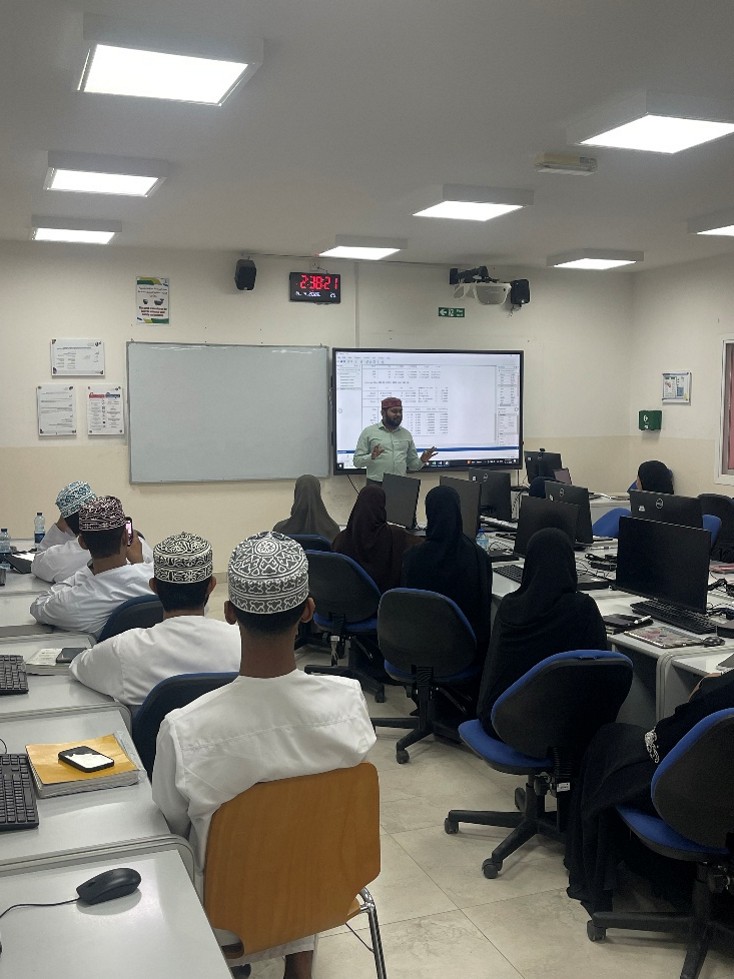
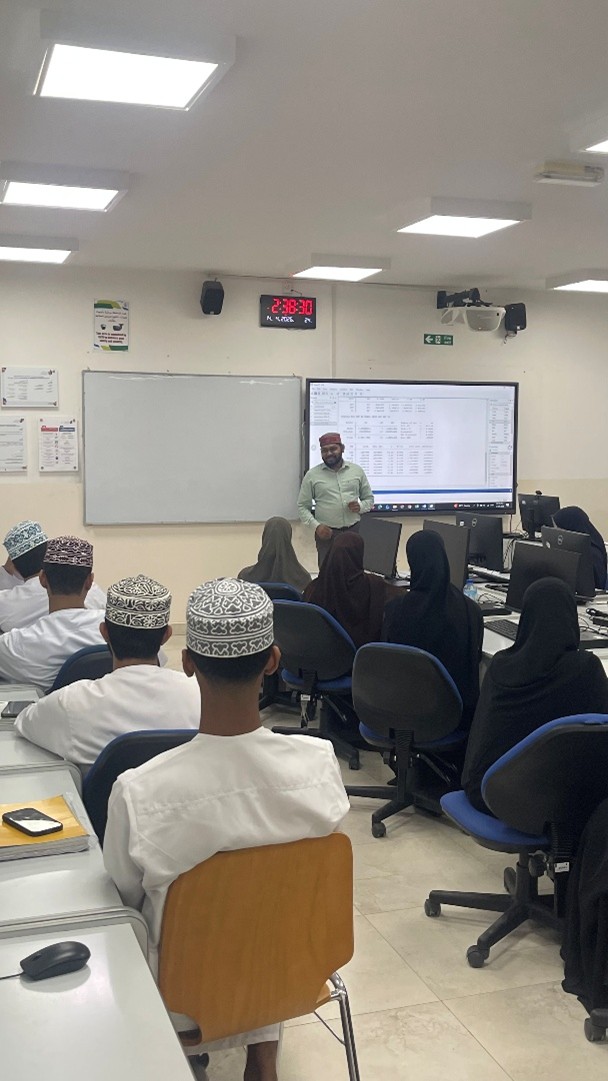
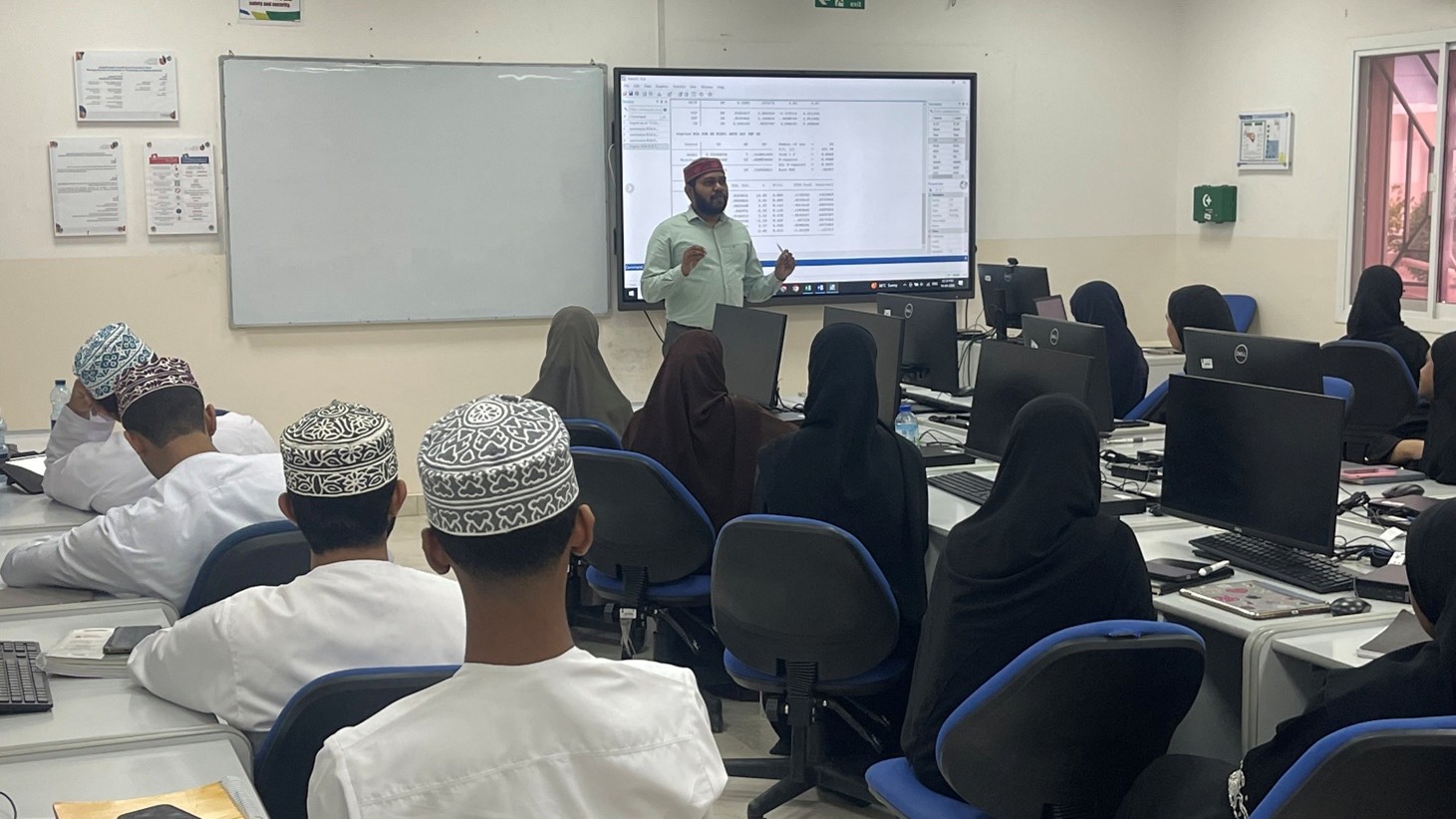
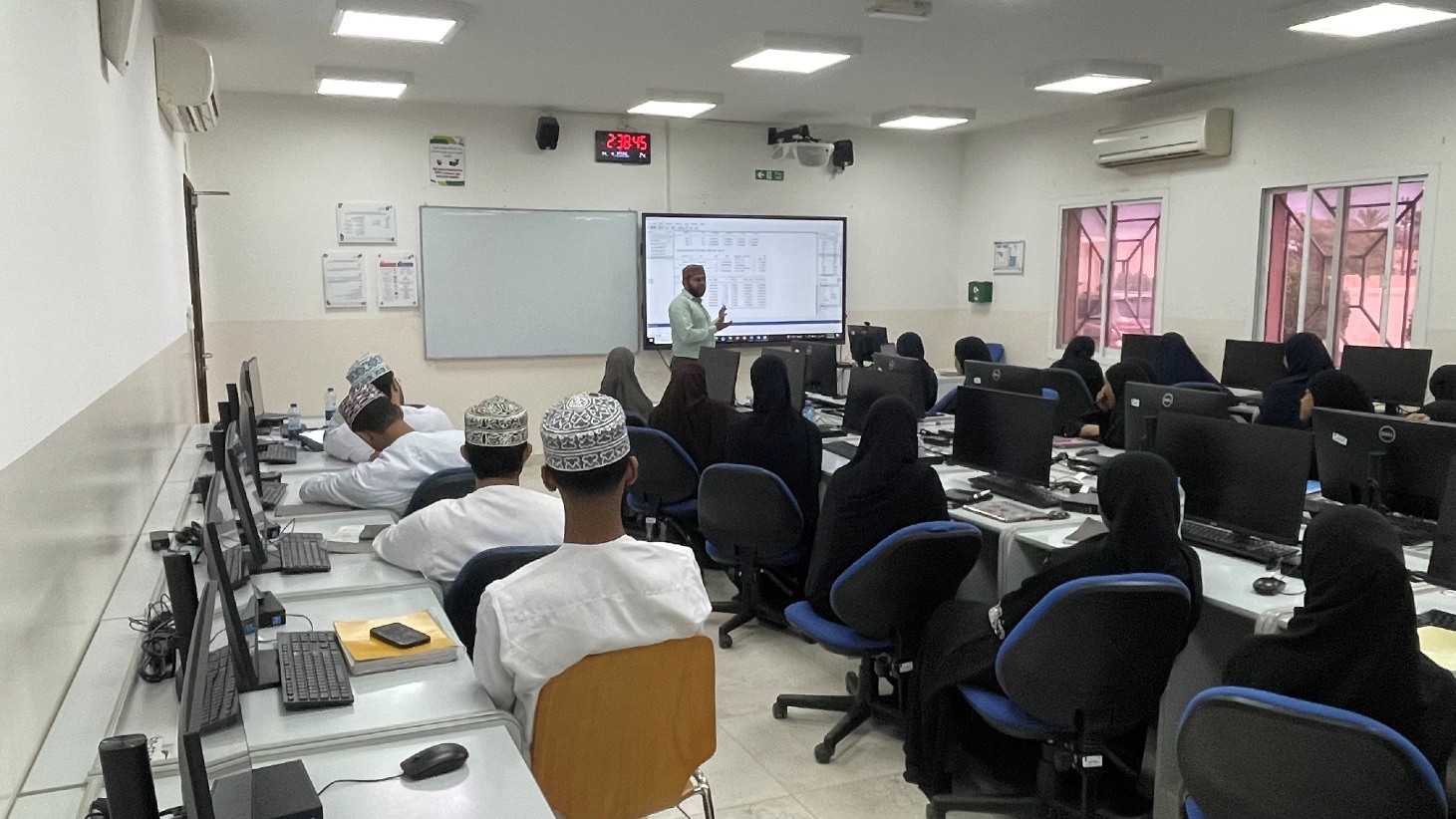
Following the theoretical discussion, Dr. Shakeb Akhtar conducted the practical segment of the workshop. He demonstrated the application of STATA in managing and analyzing panel datasets. Participants were guided through essential procedures including data handling, model estimation, and interpretation of outputs. The session was interactive, with participants actively engaging in discussions and seeking clarifications on various aspects of the analysis.
The participation of 31 attendees reflected a strong interest in the topic, and the interactive nature of the workshop contributed to an effective learning environment. Participants showed enthusiasm throughout the session and actively contributed to discussions, making the workshop both dynamic and impactful.
By the end of the workshop, participants had developed a clear understanding of panel data concepts and gained basic proficiency in using STATA for econometric analysis. They were able to interpret model outputs and appreciate their relevance in empirical research. Overall,
the workshop successfully achieved its objectives by integrating theoretical knowledge with practical application.
The session concluded on a positive note with a vote of thanks to the resource persons and participants for their valuable contributions and active involvement.
165