Academic Integrity in Action: SnapTalks
Academic Integrity in Action: SnapTalks
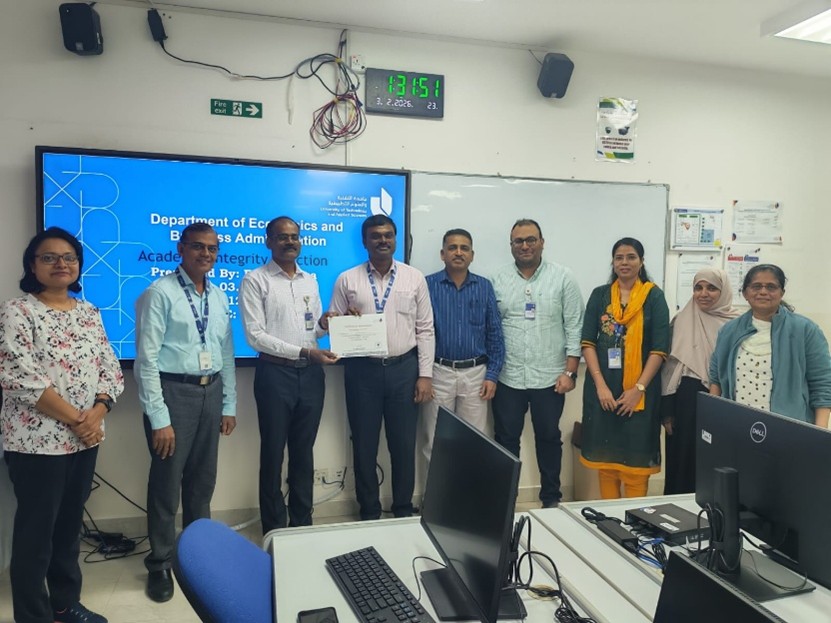
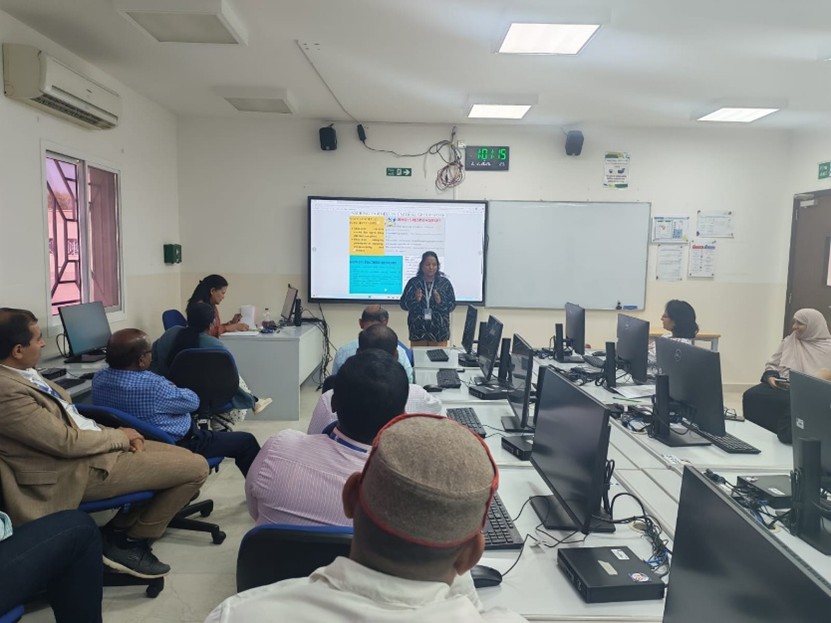
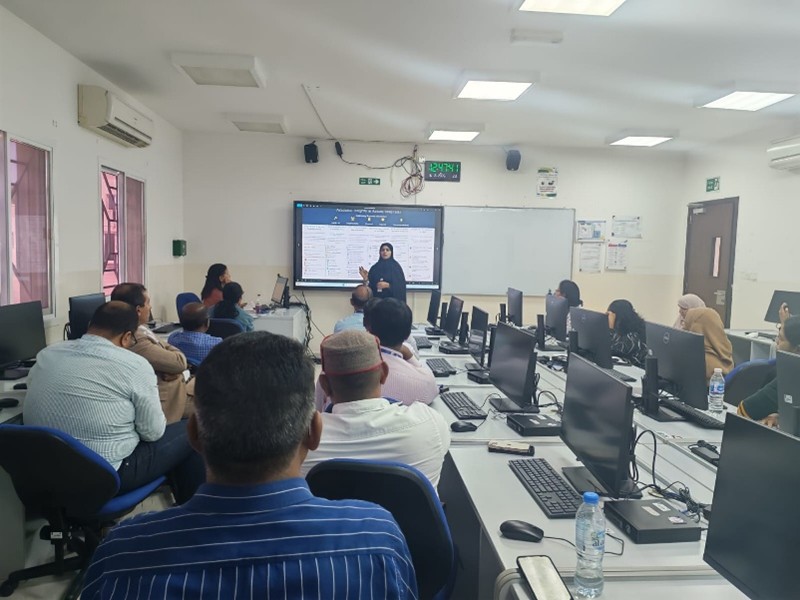
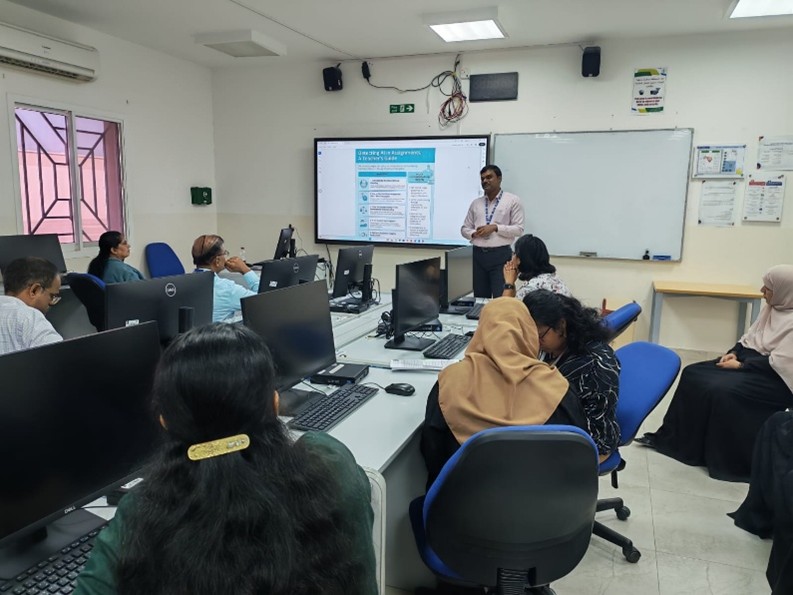
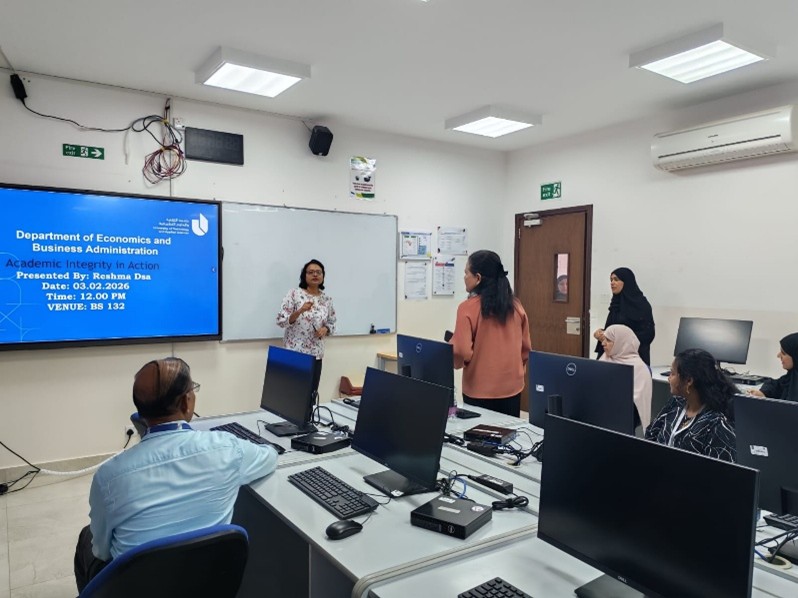
The Staff Development Committee of the Department of Economics and Business Administration organized an engaging workshop titled “Academic Integrity in Action: SnapTalks” on February 3, 2026, at 12 PM at BS132. The workshop aimed to strengthen work-related skills and critical thinking skills, which are essential for navigating academic integrity challenges in higher education.
Dr. Reshma Delfine Dsa’s talk highlighted the importance of protecting institutional reputation, ensuring fair assessment, and fostering a culture of trust. She identified common violations such as plagiarism, data falsification, and misuse of AI, while stressing practical habits like originality, responsible use of technology, and professional conduct. She concluded her talk with a powerful reminder “Integrity is a choice we make every day—honesty today builds success tomorrow.”
A central feature of the workshop was the presentation of case-based scenarios by three groups who worked on specific academic integrity issues namely, AI Assignment – exploring the ethical dilemmas surrounding the use of artificial intelligence in coursework, Unequal Group Work – addressing fairness and responsibility in collaborative projects and Repeated Misconduct – analyzing the consequences of recurring violations of academic policies. Each group presented their findings, proposed solutions, and engaged the audience in critical discussions. A board of judges assessed the group outputs using structured rubrics, ensuring fairness and transparency in evaluation. Ms. Pauline Santos, facilitator, announced the winners and awarded the certificates to the participants.
The SnapTalks workshop underscored the institution’s commitment to fostering integrity as a cornerstone of academic life. By combining expert insights with teacher-led explorations, the event not only deepened understanding of ethical challenges but also empowered participants to apply integrity-driven approaches in teaching and learning.
SDC-DEBA
251